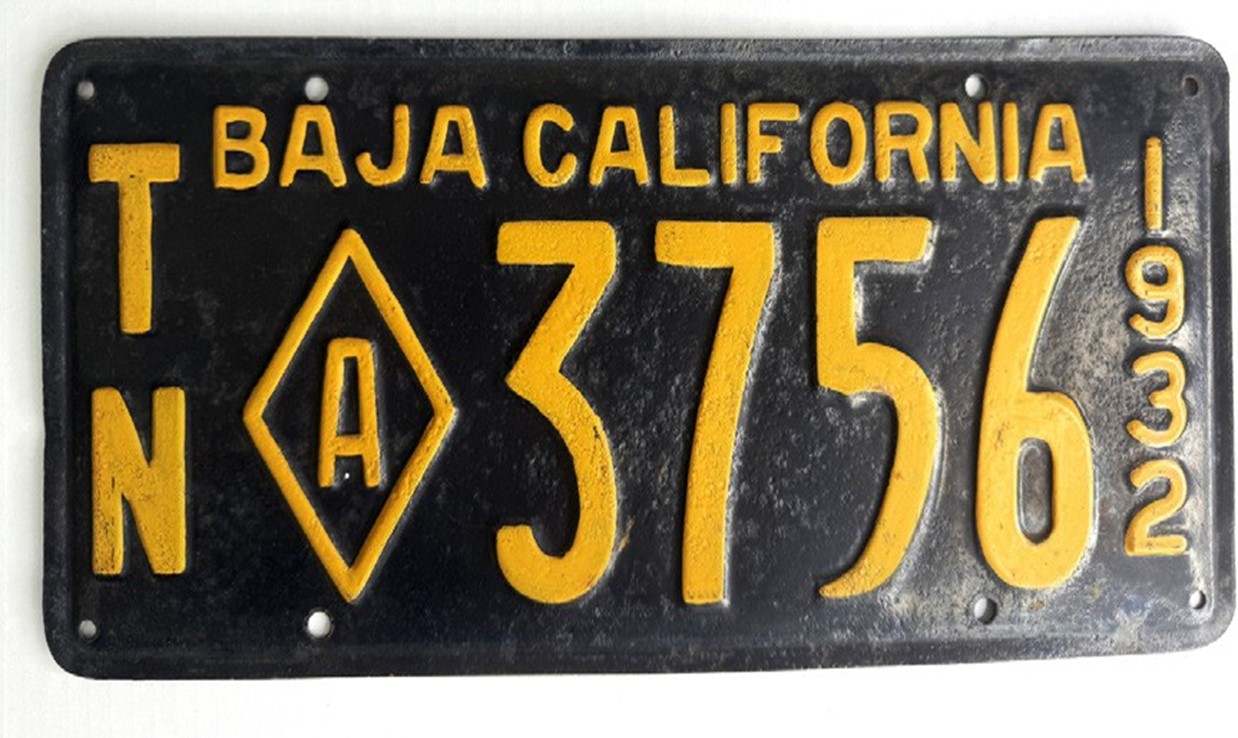
1932 Baja California Alquiler/Rental. (Territorio Norte). Presumed to have been made by State of California USA, with same dies and size
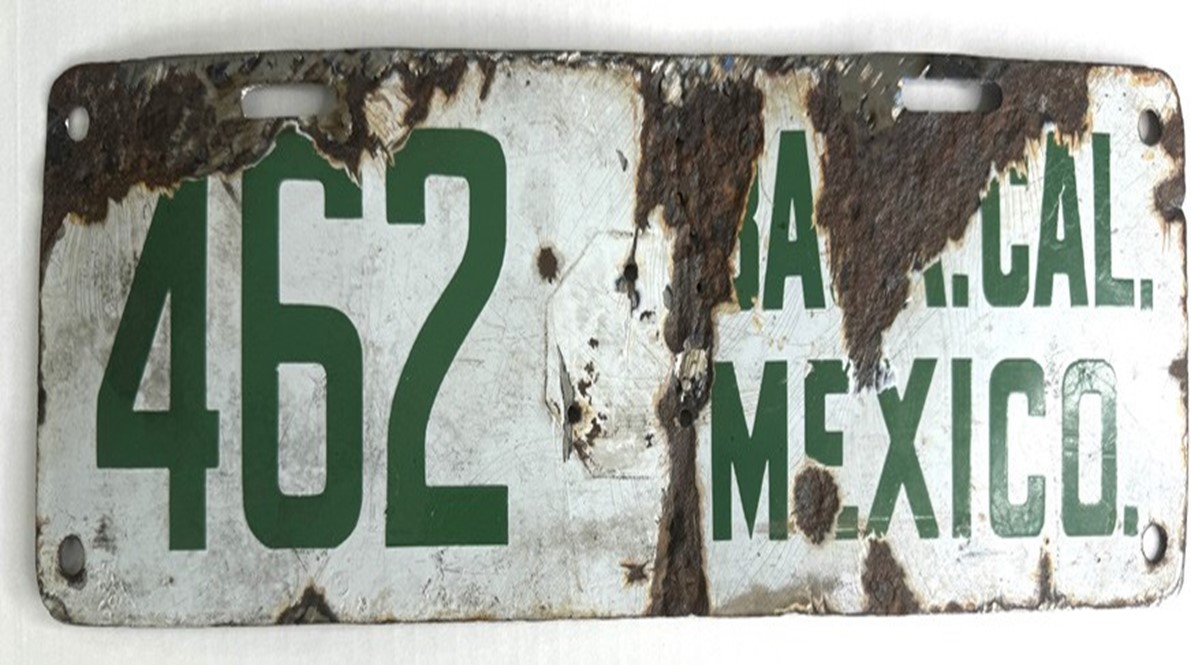
1920 Baja California passenger (Distrito Norte)
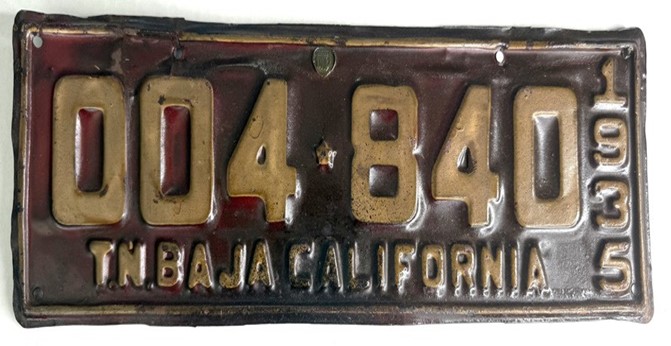
1932 Baja California Alquiler/Rental. (Territorio Norte). Presumed to have been made by State of California USA, with same dies and size
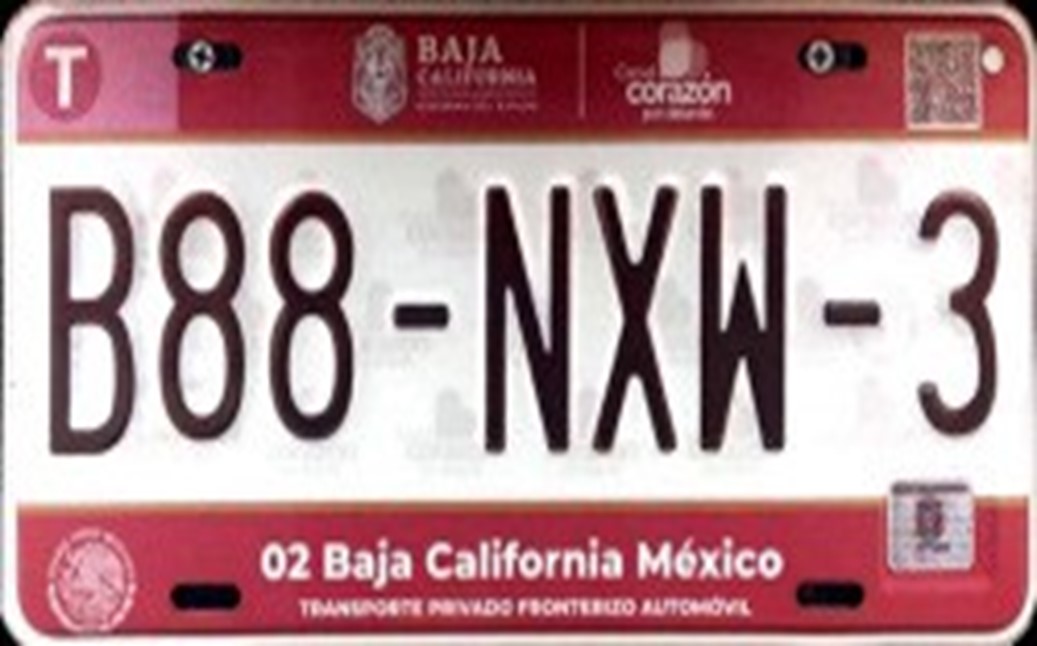
1932 Baja California Alquiler/Rental. (Territorio Norte). Presumed to have been made by State of California USA, with same dies and size. 2023 Baja California passenger
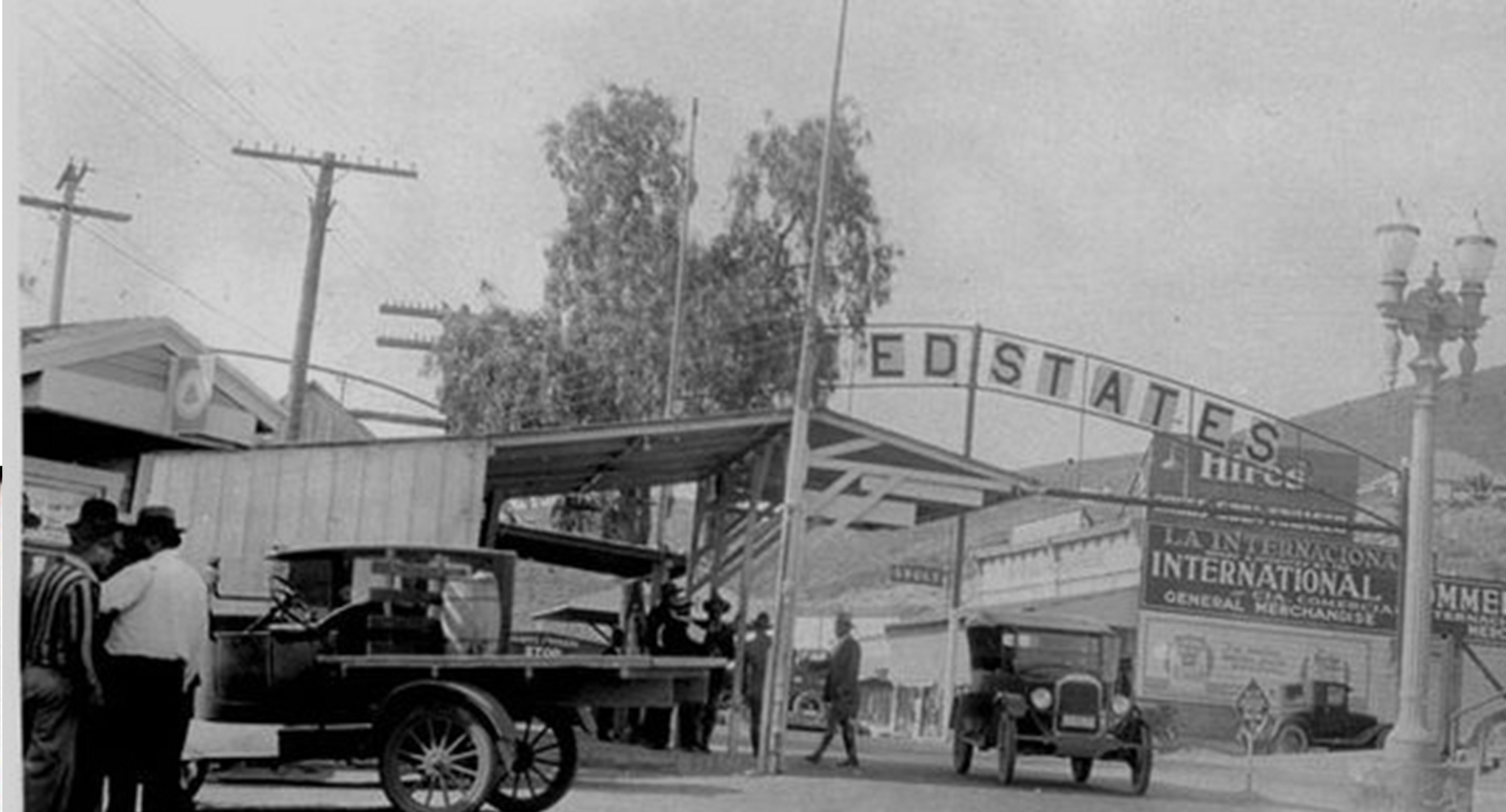
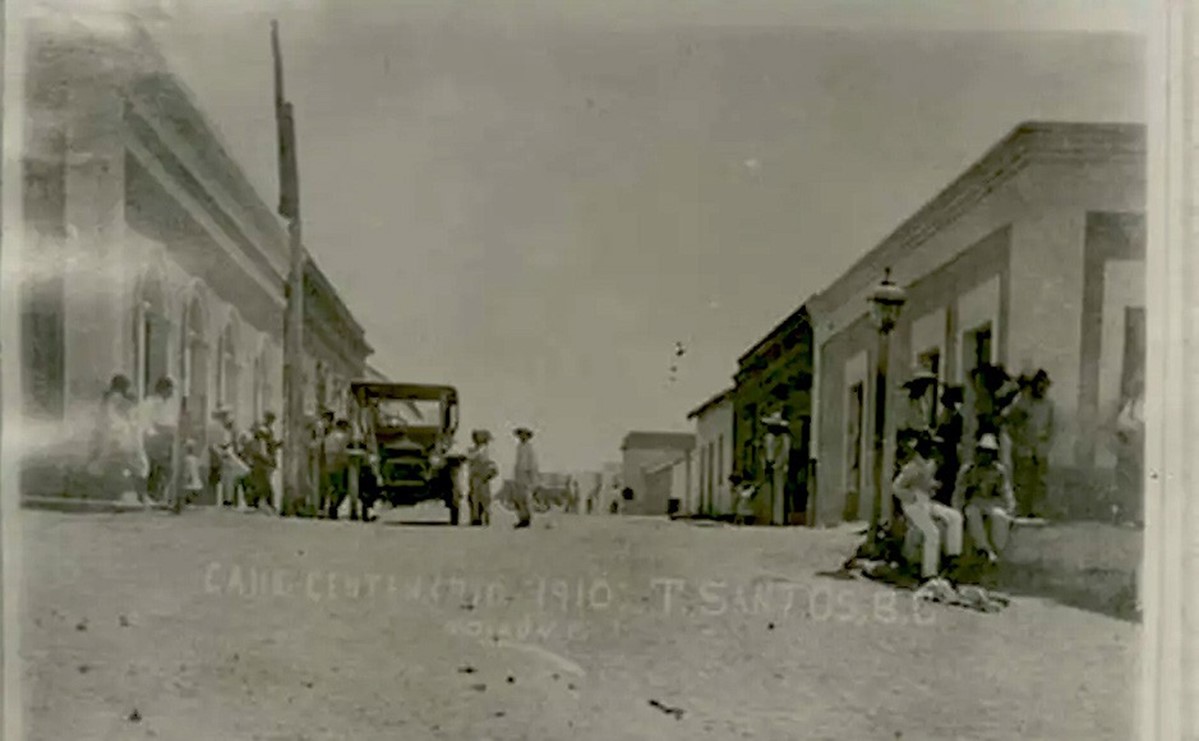
Late 1920’s photograph shows a car entering Mexico, most likely at or near Tijuana in Baja California Terriotorio Norte.
1920 Baja California passenger (Distrito Norte)
1932 Baja California Alquiler/Rental. (Territorio Norte). Presumed to have been made by State of California USA, with same dies and size
1932 Baja California Alquiler/Rental. (Territorio Norte). Presumed to have been made by State of California USA, with same dies and size. 2023 Baja California passenger
1920 Baja California passenger (Distrito Norte)
1932 Baja California Alquiler/Rental. (Territorio Norte). Presumed to have been made by State of California USA, with same dies and size
1932 Baja California Alquiler/Rental. (Territorio Norte). Presumed to have been made by State of California USA, with same dies and size. 2023 Baja California passenger
Late 1920’s photograph shows a car entering Mexico, most likely at or near Tijuana in Baja California Terriotorio Norte.
This is for a text introduction to a new state of country.
The history of Mexican license plates dates back to the early 20th century, with the first plates introduced in 1911 following the Mex- ican Revolution. Initially, these plates were simple, consisting of a single color, usually black or white, with the vehicle’s registration number and the state abbreviation. Over
the years, the design evolved, incorporating various elements that represented Mexico’s identity and history. The first Mexican license plates were regarded in most important cities like Mexico City in the 1910s, presenting easy metallic or tooth designs with basic alphanu- meric characters.
In Baja California, the first plates appeared in Tijuana, with the first city plate known from 1919 and the first territory wide issue a year later, a porcelain plate likely made in the USA.
As the automotive industry grew, the government introduced more standardized and state-specific plates by the mid-20th century, incorporating unique designs and color
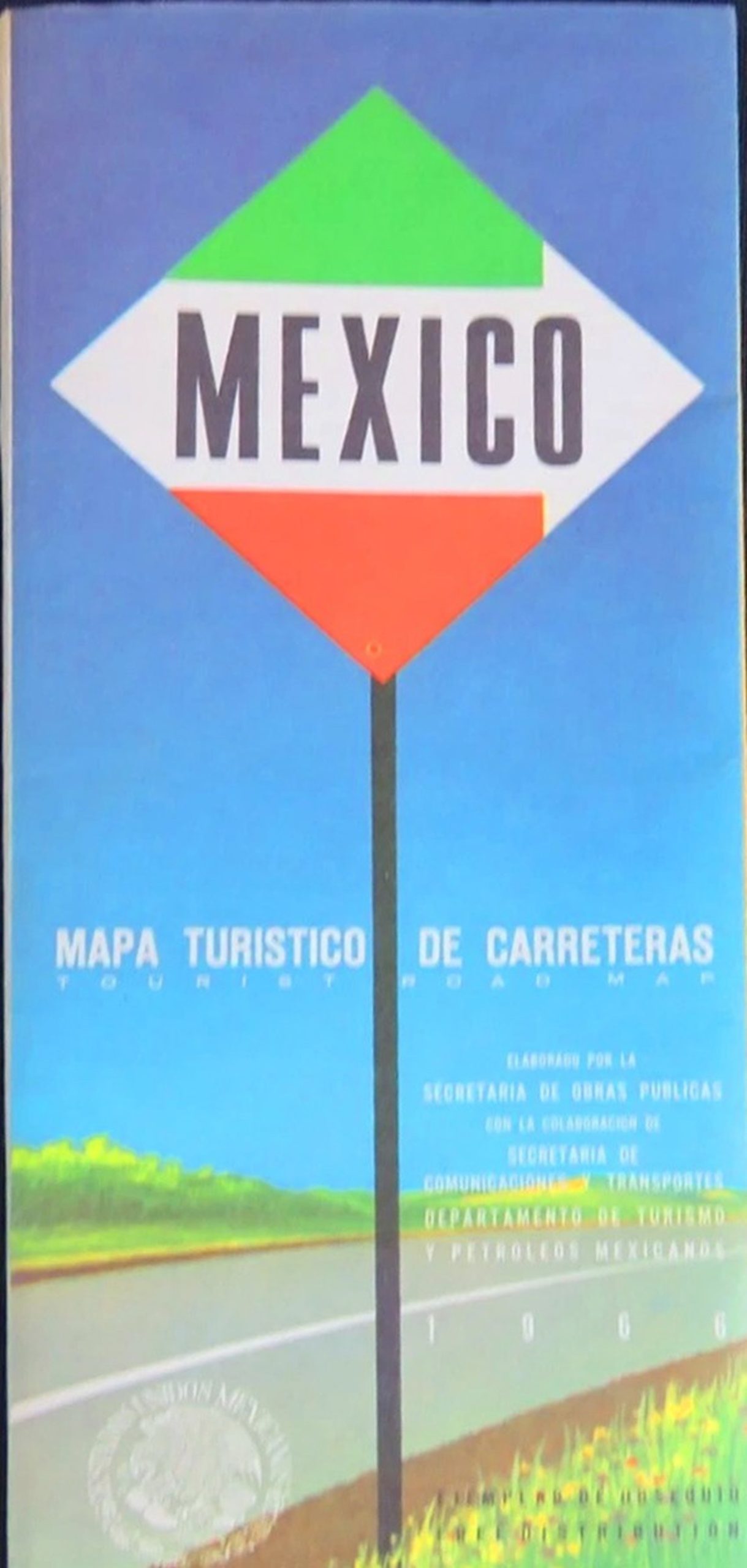
This 1966 Mexico map published by Pemex showed the roadways throughout the country.